Mercado europeo de reciclaje de PET: demanda de equipos y crecimiento Tendencias
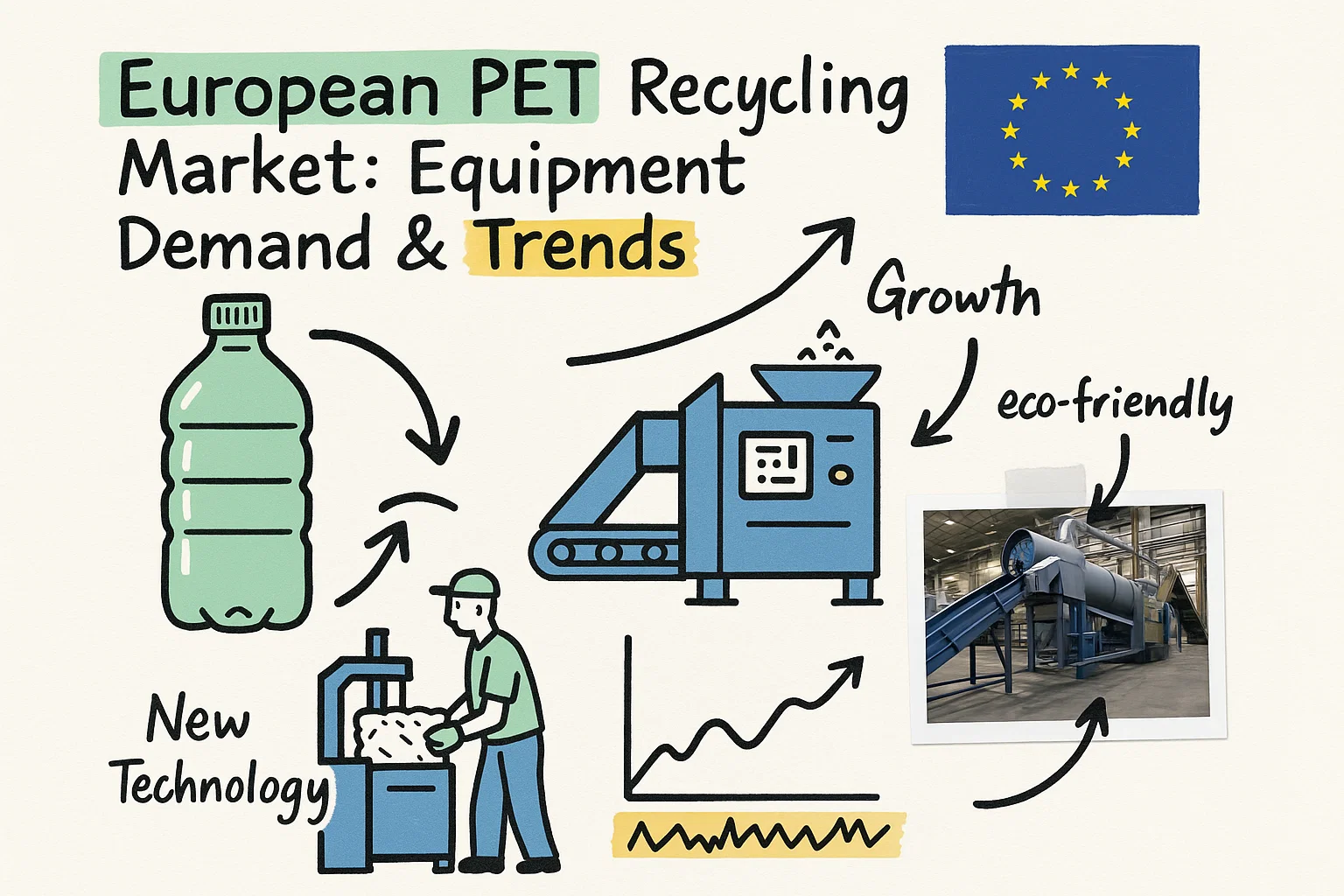
European PET Recycling Market: Equipment Demand & Trends

Europe leads global PET recycling with stringent regulations and advanced technology. This comprehensive guide examines equipment demand trends, capacity planning, and investment economics for European recycling operators. Learn how AI-powered sorting, modular washing systems, and automated controls deliver food-grade rPET at competitive costs.
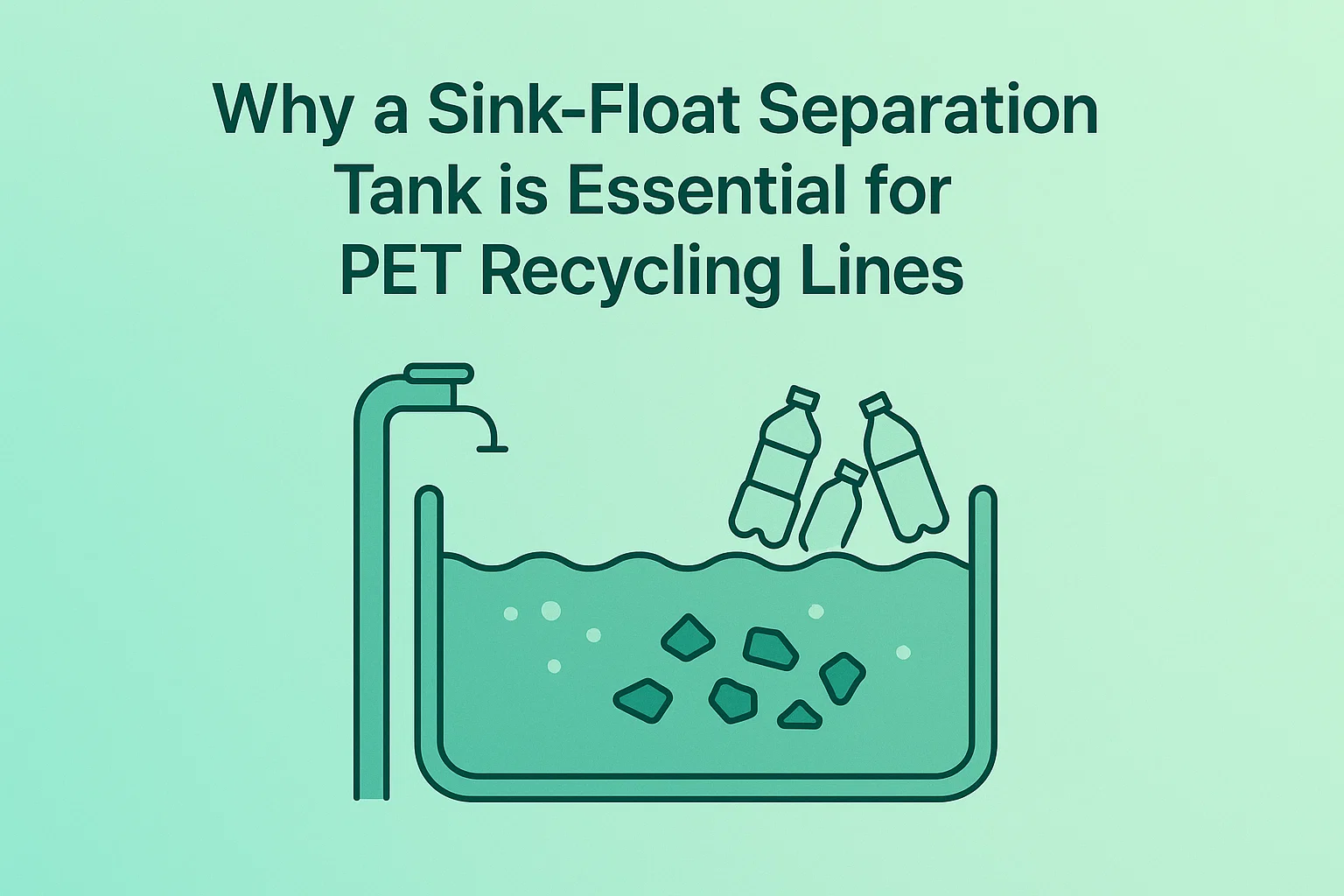
Por que un tanque de separacion por hundimiento y flotacion es esencial para las lineas de reciclaje de PET

Why a Sink-Float Separation Tank is Essential for PET Recycling Lines

PET recycling, sink-float tank, plastic separation, washing line, recycling equipment, contamination removal, plastic sorting, bottle recycling, material purity, Rumtoo Machine

Escamas de botellas de PET frente a PLA: ¿cual es mejor para el medio ambiente?

PET Bottle Flakes vs PLA: Which Is Better for the Environment?

Recycled PET bottle flakes outperform PLA across key environmental metrics. Life cycle assessments reveal rPET reduces carbon emissions by 65% and consumes 12.5 times less water than PLA, while participating in proven circular economy systems with established recycling infrastructure worldwide.

Secador termico de escamas de botellas de plastico: guia completa de sistemas de secado final

Plastic Bottle Flakes Thermal Dryer: Final Drying Guide

Thermal dryers serve as the final drying stage in PET bottle recycling, reducing moisture from 15-30% to below 1%. Using hot air circulation through stainless steel tubing, these systems prepare clean flakes for extrusion and pelletizing. Proper thermal drying prevents steam formation during melting and enables access to premium food-contact markets.

Maquina de reciclaje de botellas de plastico: guia completa de compra 2026

Plastic bottle recycling machines transform PET, HDPE, and PP bottles into high-value recycled materials. This comprehensive guide covers system components, capacity planning from 500-6,000 kg/h, quality standards for food-grade output, total cost of ownership analysis, and critical supplier evaluation criteria to help you make informed equipment investment decisions.